How to Find a Good Quality Supplier for Cosmetic Packaging: 10 Checks for Beauty Brands

Founder of UKPACK, chief packaging engineer and designer with 18 years of experience, and Red Dot Award winner. I work on cosmetic packaging structure, material selection, mold feasibility, decoration processes, and leak-risk control, helping brands turn packaging ideas into reliable production-ready solutions. See my senior packaging engineer qualification.
To find a good quality supplier for cosmetic packaging, start with manufacturer websites, trade directories, industry events, referrals and sourcing platforms to build a shortlist. Treat those channels as discovery tools, not proof of quality.
Qualify each candidate against the same buyer questions: can the supplier match the package to the formula, produce a representative sample, document quality checks, support decoration and filling, and repeat the approved result in a pilot order? These checks cover stock, semi-custom and fully custom packaging.
What Are the Key Takeaways?
- Use directories, referrals and sourcing platforms to find candidates, then qualify them with project-specific evidence.
- Confirm formula, capacity, closure and filling-line fit before comparing unit prices.
- Ask for a sample path, acceptance criteria and representative inspection or test records.
- Approve filled and decorated samples, not only renders, empty components or catalogue photographs.
- Use a pilot order or line trial to confirm repeatability before full-scale production.
What Makes a Cosmetic Packaging Supplier High Quality?
A good cosmetic packaging supplier connects the product brief to a workable package, then connects that package to repeatable production. The supplier should be able to explain the material, capacity, neck finish, closure, dispensing system, decoration process, test plan and production controls for your project.
Price, catalogue size and a polished website can help you build a shortlist, but they do not prove quality. Stronger evidence includes a clear sample path, relevant test methods, controlled specifications, traceable inspection records and a practical plan for pilot production.
These are the same stages we use when moving a packaging idea from design and tooling to molding, decoration, assembly and testing. See our cosmetic packaging manufacturing capabilities for the full production route.
Where Should You Find Potential Cosmetic Packaging Suppliers?
Start with channels that let you compare several candidates: direct manufacturer websites, B2B directories, sourcing platforms, referrals from trade-show contacts or industry partners, and recommendations from filling or formulation partners. A platform profile, catalogue size, review count or audit badge can help you find a candidate, but none of them answers the technical questions for your package.
Shortlist suppliers that already handle your format, material, dispensing system or decoration requirement. Then send the same brief to each candidate and compare the technical response, sample path, test plan, document quality and pilot terms. This creates a fairer comparison than asking only for the lowest unit price.
What Should You Check Before Choosing a Cosmetic Packaging Supplier?
Use these checks when comparing suppliers. A strong answer should be specific to your formula, packaging format and launch plan, not a generic promise that every product can be made.
How Can You Verify a Supplier’s Manufacturing and Quality Claims?
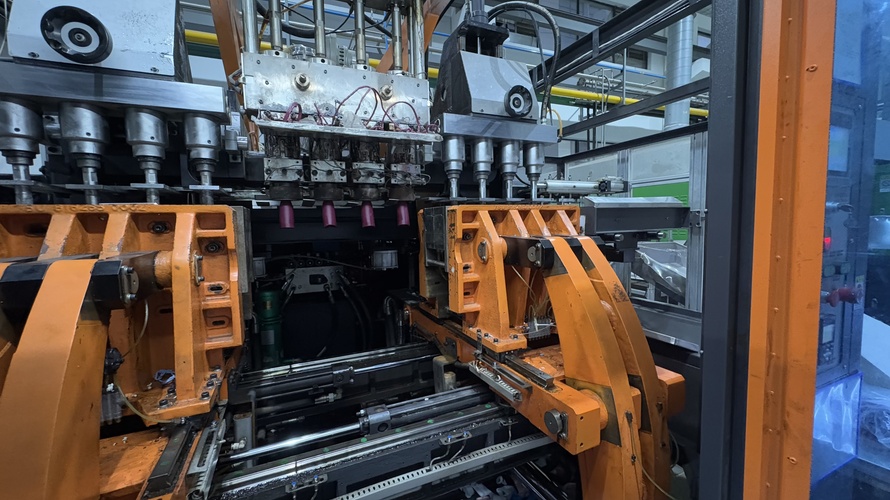
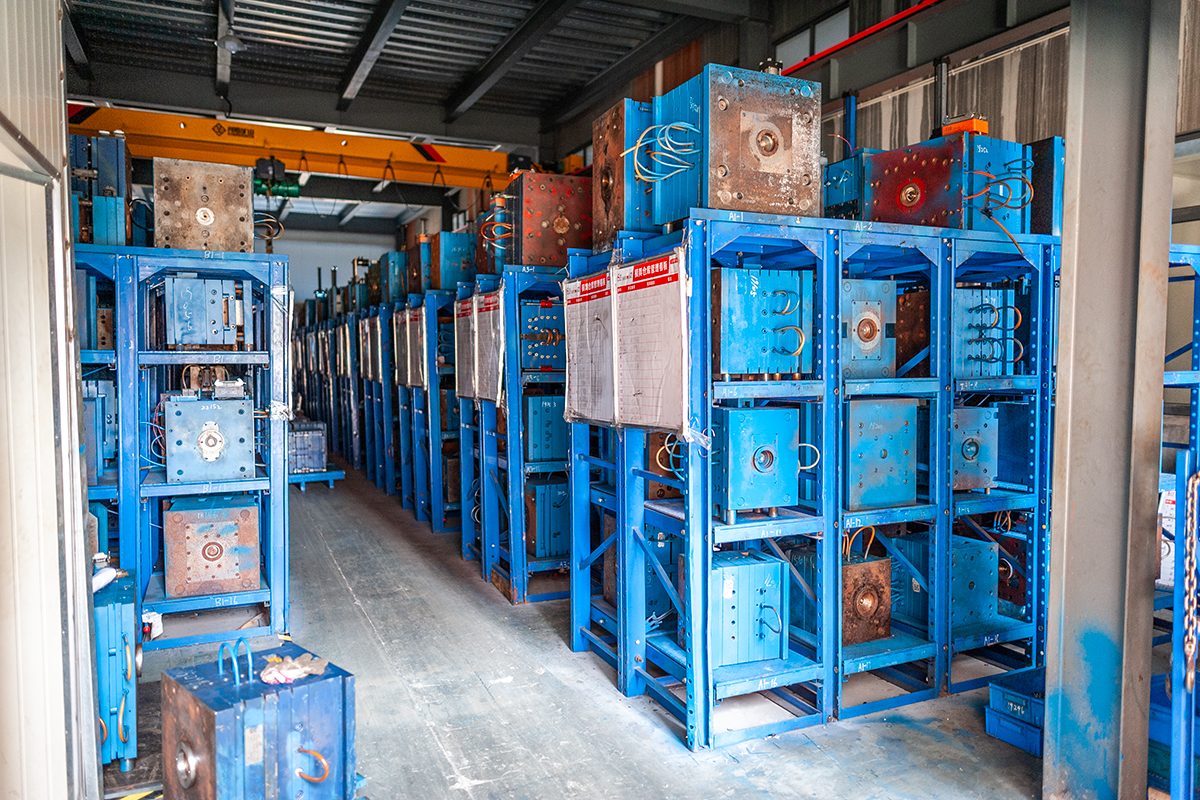
Ask for evidence that maps to the risk you are trying to reduce. At UKPACK, we can show mold storage and tooling work, injection and blow molding, automated assembly, hot stamping, screen printing, electroplating, design development and 3D prototyping. These photos document relevant process steps, but they do not prove capacity for your order or repeatability of your approved specification on their own.
Our QC records cover different checks by packaging format, including weight, dimensions, appearance, torque, leak or airtightness, drop, adhesion, rubbing, fatigue, dispensing or output, compatibility observation and simulated transport. The method, sample quantity, conditioning period and acceptance criterion should be agreed for the actual package and formula. A long test list is not a substitute for a project-specific control plan.
How Should a Supplier Check Formula and Product Fit? (Check 1)
The package must suit what it contains and how the customer will use it. Ask the supplier to review the formula type, viscosity, powder or liquid behavior, product-contact materials, target dose, fill volume, closure, seal and use environment.
A thin serum, a high-viscosity cream, a powder and a sunscreen stick create different requirements. Pump output, piston movement, wiper fit, brush density, liner choice and cap sealing can all affect the user experience. If the formula is still changing, use stock samples to narrow the format before committing to a custom mold.
Ask for a sample test using the intended formula or a representative substitute. Water may help with an early mechanical check, but it does not prove compatibility or dispensing performance for a finished cosmetic formula.
Can the Supplier Support the Required Manufacturing and Tooling? (Check 2)
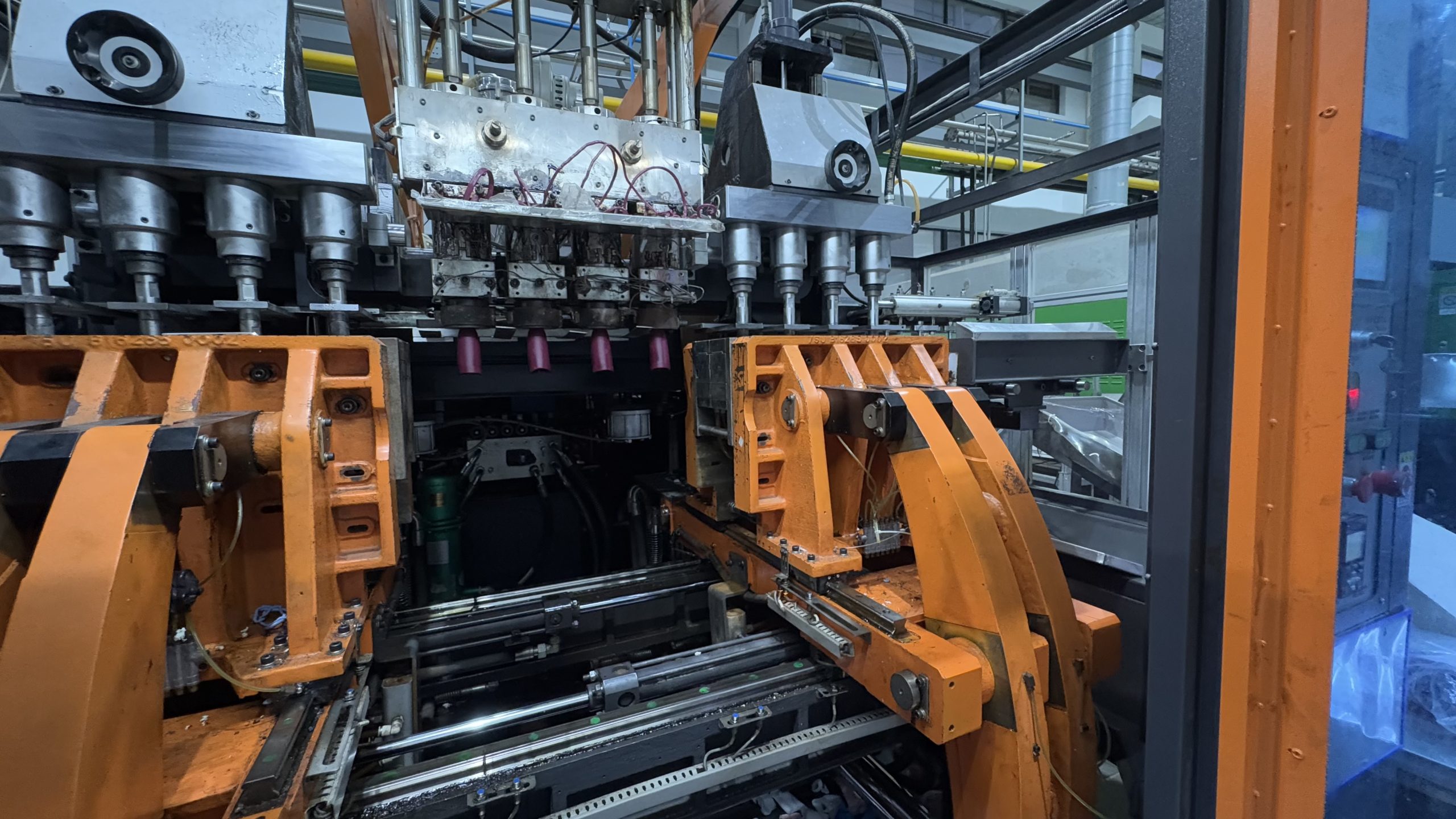
Check whether the supplier can support the production process your packaging requires. Relevant capabilities may include injection molding, extrusion blow molding, injection stretch blow molding, mold design, mold making, decoration and component assembly.
The supplier should also explain how it manages tooling after the first trial. Ask how mold revisions are recorded, how approved samples are identified and how the same mold or component specification will be used for repeat orders. Factory and process photos are useful context, but they are not proof of capacity or performance on your specific project. Ask for the tooling record, approved sample reference and pilot plan that will control repeat orders.
For custom packaging, review the design and tooling path before you approve the visual concept. Wall thickness, draft, tolerance, neck finish and decoration area can change the cost and feasibility of the final pack.
How Does the Supplier Control Quality? (Check 3)
Ask where quality is checked, who records the result and what happens when a result falls outside the agreed specification. A workable process usually separates incoming-material inspection, first-piece or startup approval, in-process inspection, final inspection, sampling and corrective action.
The useful evidence is not a certificate image by itself. It is a specification or control plan that links each check to an acceptance criterion. In our records, a dimensional or weight inspection can capture multiple readings with minimum, maximum and average values, then record a clear result decision. The same principle applies to torque, leakage, decoration adhesion and dispensing tests.
The exact sampling plan can vary by product, customer requirement and risk level. If a supplier cannot show how your acceptance criteria will be documented, the quality discussion is still too general.
Which Functional and Performance Tests Apply? (Check 4)
Cosmetic packaging quality includes appearance, but function usually determines whether the product can be filled, shipped and used without avoidable problems. Depending on the pack, ask about leakage, vacuum or pressure response, drop performance, torque, pull-off force, pump output, priming, fatigue, component fit and compatibility testing.
Testing conditions must be defined for the specific package and formula. A pump may need output and repeated-use checks. A bottle or jar may need sealing, drop and closure checks. A decorated component may need adhesion, rub or scratch checks. A package for a reactive or unusual formula may need a longer compatibility observation.
Do not treat one test value as a universal supplier standard. Ask which method, sample quantity, conditioning period and acceptance criterion apply to your product. That question often reveals whether the supplier is following a controlled plan or simply repeating a sales phrase.
How Are Samples and Prototypes Validated? (Check 5)
Samples expose problems that renders and product photographs cannot show. Review the actual fit, hand feel, cap torque, pump or applicator behavior, surface finish, decoration position, leakage risk and filling-line interface.
A useful sample sequence may include a visual prototype, a 3D-printed or appearance sample, T1 or T2 samples from production tooling, filled samples and a pilot-run sample. The correct sequence depends on whether the project uses a stock mold, a modified component or a new custom mold.
Each sample stage should state what it validates, what it cannot validate and the required inputs for the next stage. A visual prototype may validate form and fit, but it cannot validate final molding, decoration durability or filling-line behavior. The production handoff should identify the approved sample, specification and test record.
Before a package moves toward production, we plan the sample stages around what each sample can prove. Our cosmetic packaging prototyping guide explains that process. Ask the supplier which sample is representative of mass production. An early hand-made mockup should not be treated as proof of final molding, decoration durability or filling-line behavior.
Can the Supplier Provide DFM and Custom Development Support? (Check 6)
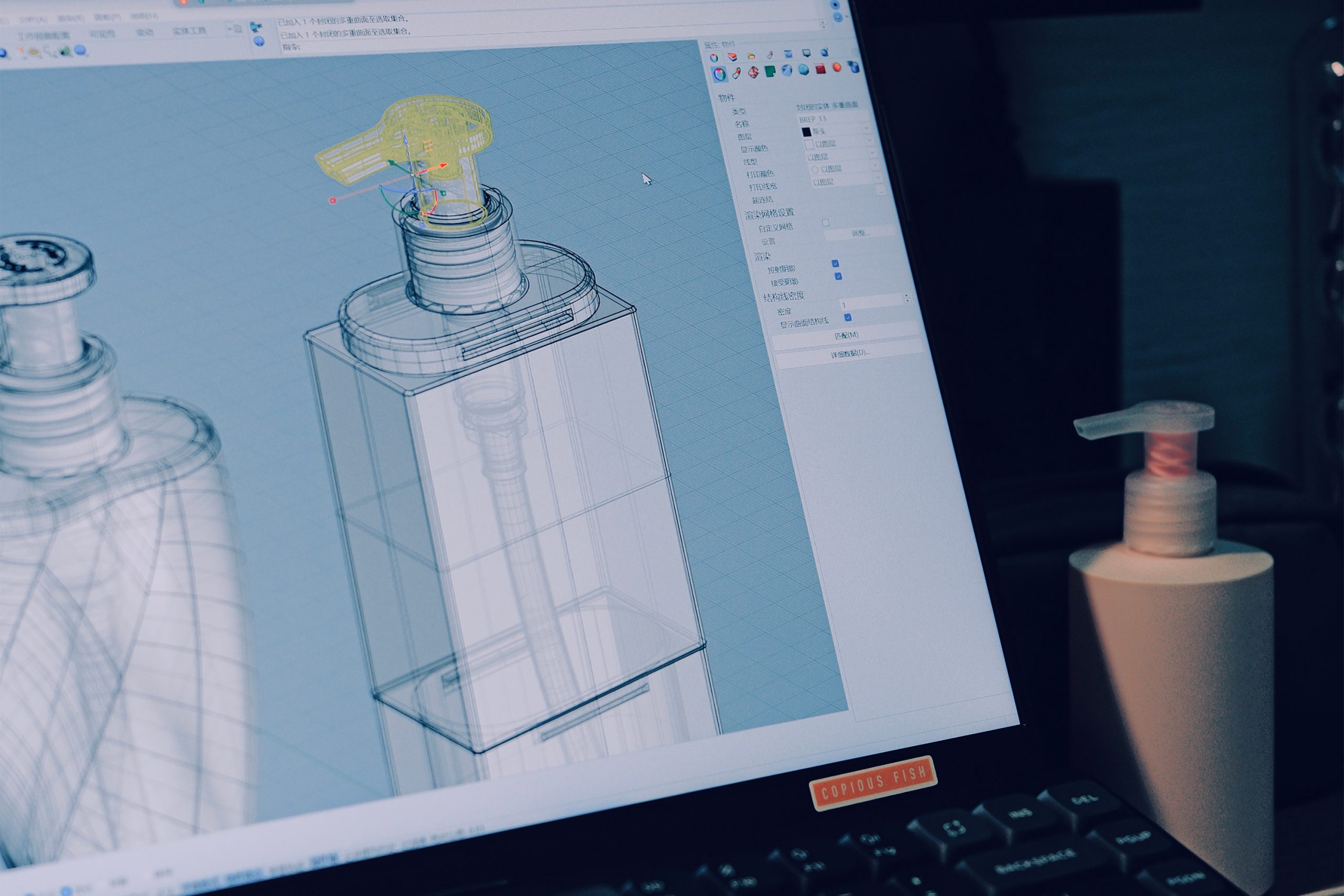
For custom packaging, ask whether the supplier can review design for manufacturing before tooling begins. DFM feedback should cover wall thickness, draft angles, tolerances, neck and thread details, component fit, assembly sequence, decoration space and likely production risks.
Custom tooling makes sense when the design need and launch plan justify the investment. A stock bottle with custom color or decoration may be a better way to validate an early formula or market concept. The supplier should explain that tradeoff instead of pushing every project toward a new mold.
For custom packaging, we review the design, develop the 3D model and validate samples before tooling begins. Our design and development services support that process. The useful question is whether the design can move from the render to a repeatable component.
Is the Packaging Ready for Decoration, Assembly and Filling? (Check 7)
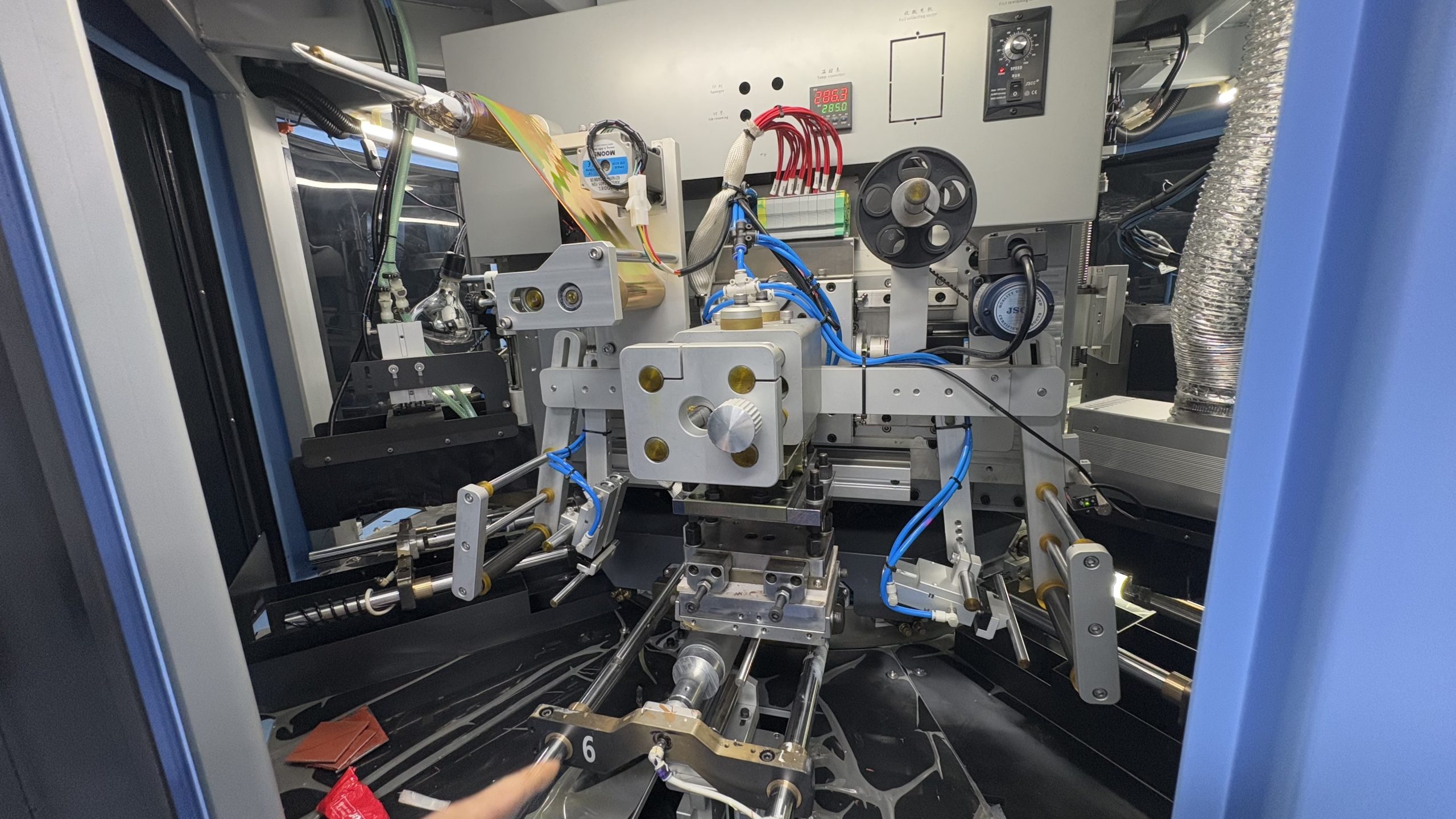
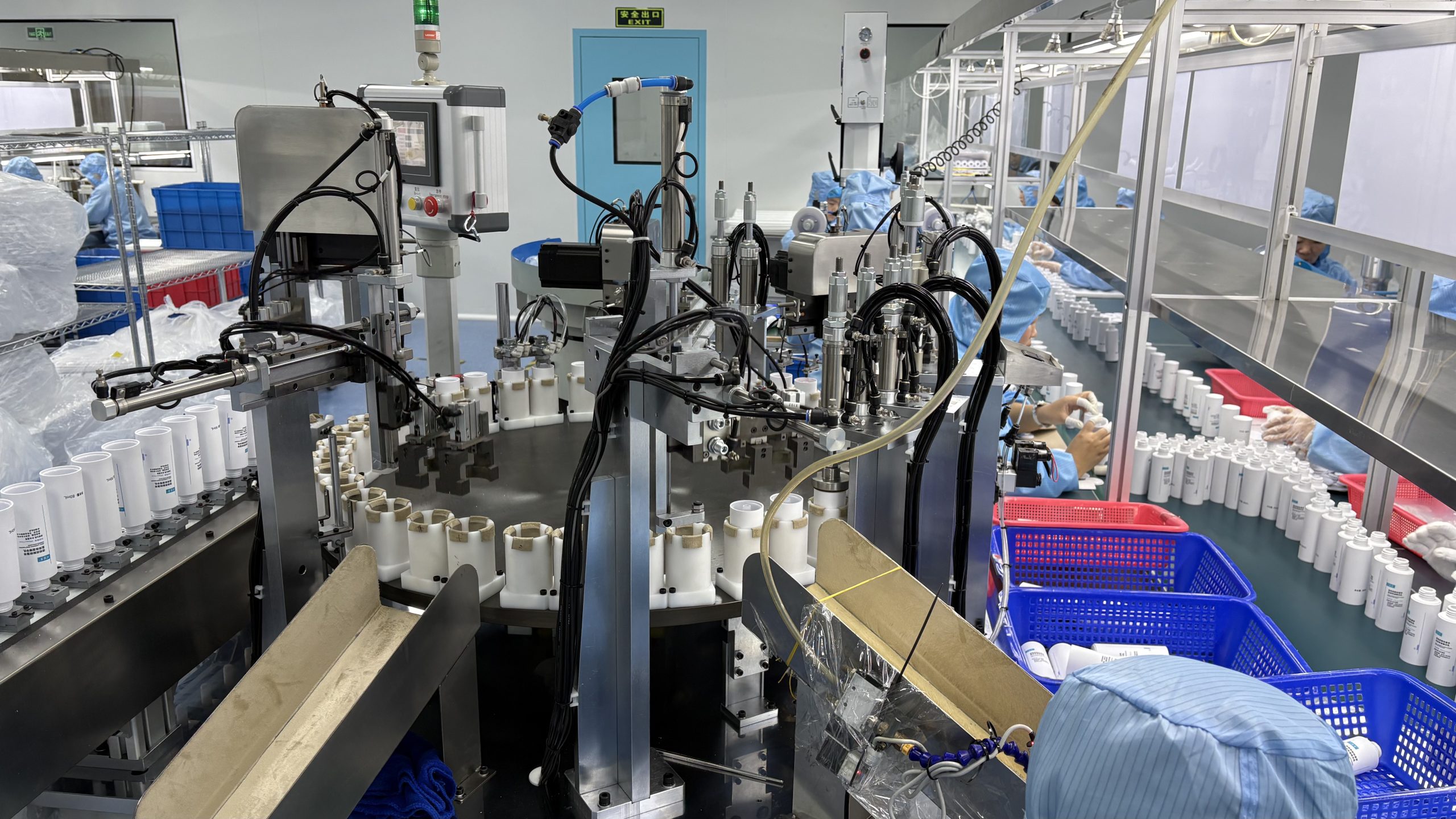
Decoration should be checked as part of production, not approved as a separate artwork exercise. Confirm the printable area, surface curve, color reference, hot-stamping or screen-printing process, coating or plating method, adhesion requirement and resistance to handling.
Assembly creates another set of checks. Confirm how pumps, caps, liners, brushes, wipers or other components are fitted, how the parts are oriented, how finished units are packed and how the package will interact with the filling and capping line.
For example, a hot-stamped logo may look correct on an empty component but still need rub or adhesion checks after assembly and packing. A screen-printed label area may need a surface and position review before the artwork is finalized. The right decoration method depends on material, geometry, order quantity, durability and the target appearance.
How Clear Are MOQ, Lead Time and Pilot-Order Terms? (Check 8)
Compare the full development path, not only the quoted unit price. Ask the supplier to separate tooling, prototype, decoration setup, sample, pilot, mass-production and logistics stages.
MOQ and lead time can change with the material, mold, color, decoration method, number of components and production schedule. A stock package with simple decoration may have a different commercial path from a custom bottle with a private mold and several assembled parts.
Request a written project timeline with approval points. It should show when the supplier needs the final formula, artwork, color standard, packaging drawings, sample feedback and purchase order. Avoid universal promises about MOQ or delivery time when the project details are not fixed.
What Technical Documents and Communication Will You Receive? (Check 9)
Good supplier communication leaves a usable project record. Request drawings, material information, component specifications, approved sample references, decoration files, test plans, packing specifications, change records and a clear list of open decisions.
The project team should also know who owns each action. A supplier who can explain what it needs from the brand, what it will test and when it needs approval is easier to manage than a supplier who only sends a price list.
This is especially important when the project involves multiple components. A pump, bottle, cap, liner and decoration may come from different process stages, but the buyer still needs one controlled specification for the finished package.
What Evidence Should Be Available Before a Large Order? (Check 10)
Before placing a large order, ask the supplier to show evidence that is relevant to your project. Useful evidence can include:
- A comparable public case study or product-development example.
- Factory and process evidence that matches the required manufacturing stages.
- Anonymized inspection records or test reports relevant to the package type.
- Material, drawing, decoration and packing specifications.
- Retained-sample or batch-record practices where relevant.
- A pilot-order or line-trial plan with approval criteria.
Evidence should answer a buyer question. A mold-room photograph may support a tooling discussion, while it cannot prove a specific mold will meet your tolerance. A quality-control document may show the type of inspection used, while it should not be presented as a universal standard if it was created for a specific project.
When I review a supplier’s certificates, I check the scope, issue date and relevance before treating them as evidence. Our certificates and quality documents are available for review, but the same questions should be asked of every supplier.
How Should You Test a Supplier Before a Large Order?
Use a staged process so that each approval reduces a specific risk. A supplier should be able to explain what is being checked, who approves it and what happens if the result is not acceptable.
| Stage | What to check | Evidence to request |
|---|---|---|
| 1. Complete the RFQ | Formula, capacity, format, material, closure, decoration, quantity and launch timing | Written technical brief and assumptions |
| 2. Review the technical response | Fit, production process, tooling, MOQ, lead time and open risks | Drawings, quotation notes and project timeline |
| 3. Request representative samples | Actual components, decoration and assembly quality | Sample identification and approval record |
| 4. Test fit and function | Closure, torque, leakage, output, priming, drop or pull-off where relevant | Test plan and results tied to acceptance criteria |
| 5. Check formula compatibility | Product contact, color change, swelling, cracking, odor, leakage and dispensing over the planned period | Compatibility observation record using the intended formula |
| 6. Run a pilot or line trial | Filling, capping, assembly, packing, transport and finished-unit consistency | Pilot record, retained samples and corrective actions |
| 7. Approve mass production | Final specification, approved sample, packing method and release criteria | Signed approval and controlled production documents |
This sequence does not mean every cosmetic package needs the same test list. It means the supplier should be able to match the test plan to the packaging format, formula, filling process, target market and customer requirements.
How Did UKPACK Develop Sweeq’s Custom Squeezable Powder Brush Bottle?
With Sweeq, we had to prove much more than the bottle’s appearance. The package needed to dispense fine cornstarch powder, work with an integrated soft brush and remain practical through filling, packing and transport. We documented the full process in our Sweeq packaging development case study. That is the level of evidence I would ask a supplier to show before approving a large order.
Sweeq needed a package for a fine cornstarch powder sand remover. The product required controlled powder dosing, an integrated soft brush, a clear on/off user experience and a shape that was comfortable for family use. The project used a custom 100 ml HDPE squeezable bottle with an integrated brush and clear overcap.
The development path included structural design, DFM review, 3D engineering, private mold development, CNC work, T0 and T1 samples, color matching and production preparation. Samples were checked with cornstarch and sand to tune bottle softness and rebound, outlet behavior, brush feel and brush density.
The later stages covered color and decoration, pilot production, filling, packing and transport validation. For a buyer, the important point is that we had to solve the product application, component interaction and production path together. A catalogue image of a squeezable bottle could not answer those questions.
What Should You Include in a Cosmetic Packaging RFQ?
A complete RFQ helps a supplier make a useful recommendation and reduces avoidable sample loops. Include:
- Formula type, viscosity and any known compatibility concerns.
- Packaging format, target fill volume and important dimensions.
- Preferred material or material restrictions.
- Pump, sprayer, dropper, brush, applicator, cap or liner requirements.
- Decoration direction, color reference and printable area.
- Estimated order quantity, target market and launch timing.
- Filling, capping, assembly and packing requirements.
- Required tests, compatibility period and acceptance criteria.
- Sample quantity, sample type and expected approval stages.
- Custom-tooling, pilot-order and ownership requirements.
If the visual direction is still open, send reference images and describe what must be preserved: capacity, dose, hand feel, closure, application method or shelf appearance. If the formula is not final, say so. A supplier can then separate an early format sample from a final compatibility approval.
What Should Be on a Cosmetic Packaging Supplier Checklist?
Before choosing a supplier, ask:
- Can the supplier explain the fit between the formula, material, closure and dispensing system?
- Can it show relevant tooling, molding, decoration or assembly capability?
- Are incoming, in-process and final quality checks documented?
- Are the sample stages and representative samples clearly identified?
- Are function, sealing, decoration and compatibility tests defined for the package?
- Are MOQ, tooling, lead time and decoration costs separated clearly?
- Can the supplier support a pilot run or filling-line trial?
- Are drawings, specifications, approvals and changes controlled?
- Is the evidence relevant to the same type of packaging problem?
- Does the supplier give you a clear next-step plan before a large order?
What Questions Do Cosmetic Packaging Buyers Ask?
Should I order samples before placing a bulk cosmetic packaging order?
Yes. Samples should be checked for fit, dispensing, sealing, decoration, hand feel and compatibility with the intended formula before a large order. If the project uses custom tooling, ask which sample comes from production tooling and which sample is only a visual prototype.
What documents should a cosmetic packaging supplier provide?
Ask for drawings, material and component specifications, approved sample references, test plans, inspection records, packing specifications, change records and the pilot-production plan. The exact document set depends on the package, formula and market, but the information should be clear enough to control repeat orders.
Conclusion: Choose Evidence Over the Lowest First Quote
The right cosmetic packaging supplier is the one that can make the package work repeatedly with your formula, filling process and supply chain. Check the sample path, quality records, test plan, documentation and pilot process before you judge the final quotation.
If you are preparing a packaging project, send UKPACK your formula type, target capacity, preferred format, material direction, decoration idea, estimated quantity and launch timing. UKPACK can help compare stock and custom packaging paths, plan samples and review the manufacturing route before you move into quotation.