Injection Molding for Cosmetic Packaging
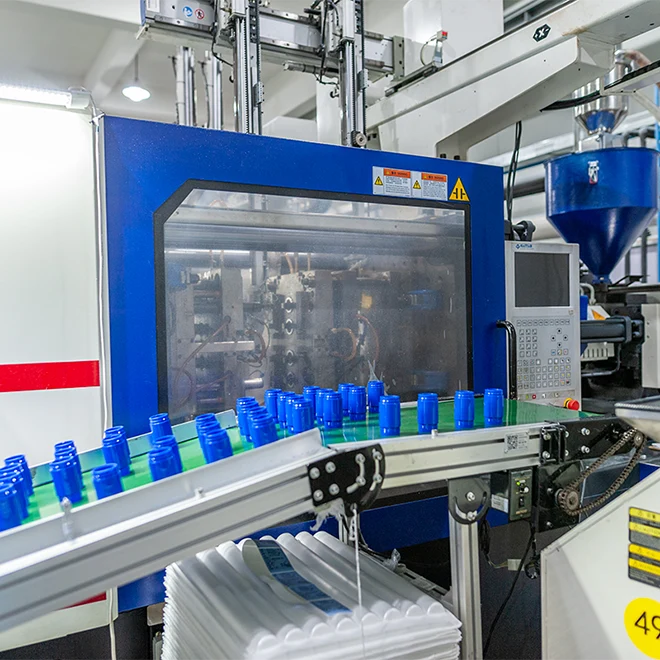
At UKPACK, injection molding is one of our core manufacturing capabilities. We produce precision plastic components such assuch as bottles, jars, closures, pump parts and inserts.
From DFM and tooling to sampling, mass production and quality control, every part is kept stable and repeatable.
- Stable dimensions and fit across every batch
- Engineering support from DFM through to mass production
- Defined molding parameters and inspection plans for each part number
- ISO 9001:2015 quality system with full documentation available
Injection Molded Components We Produce
We focus on plastic components used in structured packaging, not random industrial parts. Below are the main types of parts we injection mold on a daily basis.
Bottles & Jars
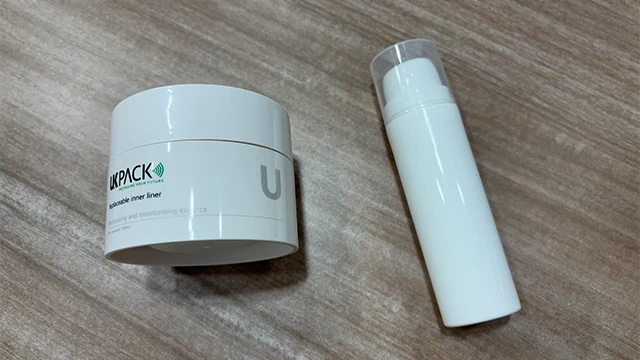
Single-wall and thick-wall bottle and jar bodies for liquids, creams and other products. Wall thickness and cooling are controlled to reduce warpage and keep surfaces clean and uniform.
Closures & Overcaps
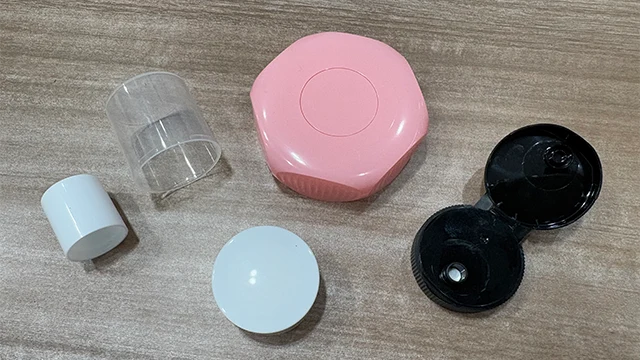
Screw caps, flip-top caps, disc caps and protective overcaps. Thread and sealing dimensions are kept within tight tolerances so caps screw on smoothly and stay aligned.
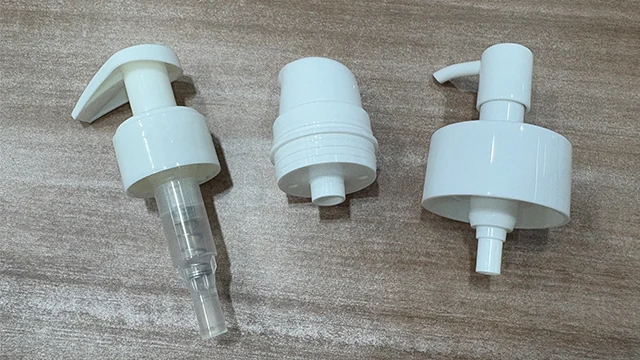
Dispensing Components
Upper parts and outer parts for pumps, sprayers and other dispensing systems. Critical areas that affect stroke, sealing and actuation feel are monitored and adjusted during development.
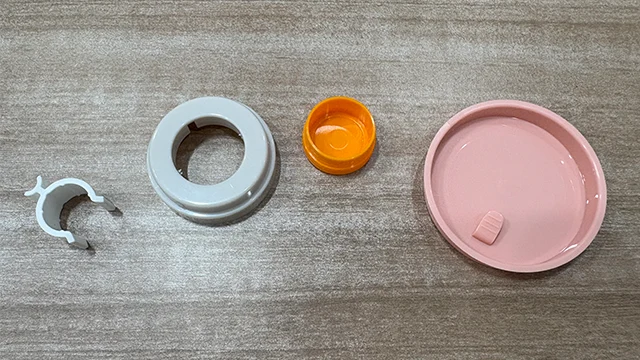
Inserts & Internal Parts
Inner plugs, sifters, inner cups, trays, bases and other internal components. Snap-fits and press-fits are designed and checked to balance secure retention with reasonable assembly force.

Molding Process Control
Stable injection molding depends on stable process settings. We treat process control as part of the product, not as an afterthought.
- Standard setup sheets for each mold and part number, including temperatures, pressures and cycle times
- Defined start-up procedure and first-article checks before switching to full production
- In-process checks on shot weight and critical dimensions to detect drift early
- Controlled cooling and ejection to protect threads, sealing lips, sharp edges and fine details
- Clear records of any parameter changes during a production run
How We Run an Injection-Molded Project
At UKPACK, our injection molding projects usually follow the steps below.
Step 1 – Part Brief & Design Data
You share 3D models or 2D drawings, expected volumes and any critical dimensions or tolerances. We also confirm how the part will be used, and which other parts it must fit or assemble with.
Step 2 – DFM Review & Material Choice
Our engineers review the geometry for moldability – wall thickness, draft angles, ribs, undercuts and parting lines. At the same time we discuss suitable resins and agree on key dimensions and functional areas.
Step 3 – Mold Fabrication & T1 Sampling
The mold is designed and built according to the approved DFM and material plan. We run T1 samples and share parts together with basic measurement and visual feedback.
Step 4 – Tuning & Process Window Setup
Based on T1 results, we refine tooling details and press settings, then run further samples if needed. Once you approve the samples, we lock a standard setup sheet and quality checkpoints for this part.
Step 5 – Production Molding & In-Process Control
Parts are molded under the validated parameters, with in-process checks on shot weight, dimensions and appearance. Any drift from the control limits is corrected immediately according to the agreed plan.
Step 6 – Finishing, Packing & Repeat Runs
Parts can be trimmed, lightly assembled or packed to your specification, ready for the next process step. For repeat orders, we reuse the same tooling, setup and inspection plan unless there is a controlled change.
Customer Projects & Case Studies
These projects show how we used injection-molded components – bottles, closures and inserts – to turn ideas into stable, production-ready packs.
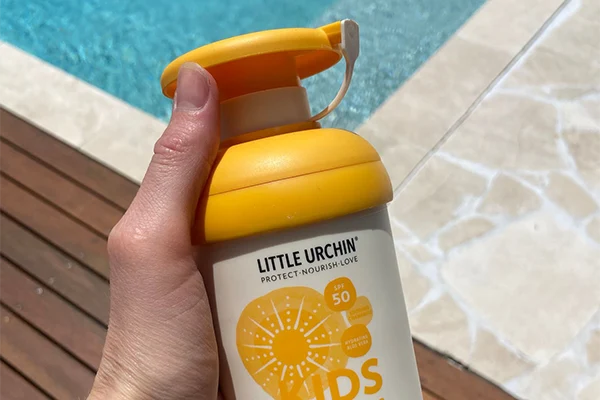
Custom 300ml Big Airless Pump Bottle for Little Urchin
A 300 ml airless pack developed for Little Urchin’s family sunscreen. We injection molded the collar, actuator and overcap to match the large bottle silhouette, tuning the fit so the pump primes easily, seals reliably and feels smooth with every press.
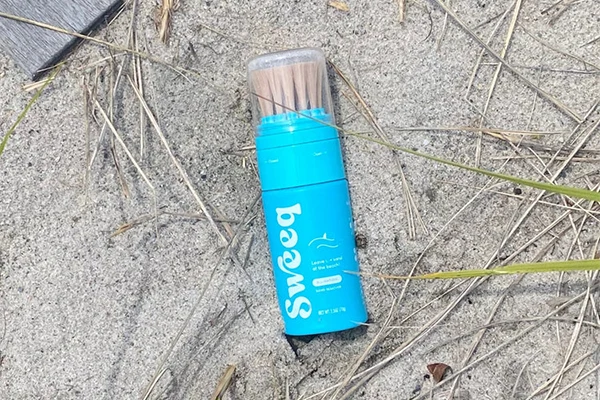
Custom Squeezable Powder Brush Bottle for Sweeq
A private-mold squeeze bottle with a soft brush on top for Sweeq’s sand-removing powder. We injection molded the threaded neck, internal insert and cap so the brush head assembles cleanly, the powder stays protected and the body still squeezes comfortably in one hand.