AS Refillable Airless Jars for Skincare – UKPACK
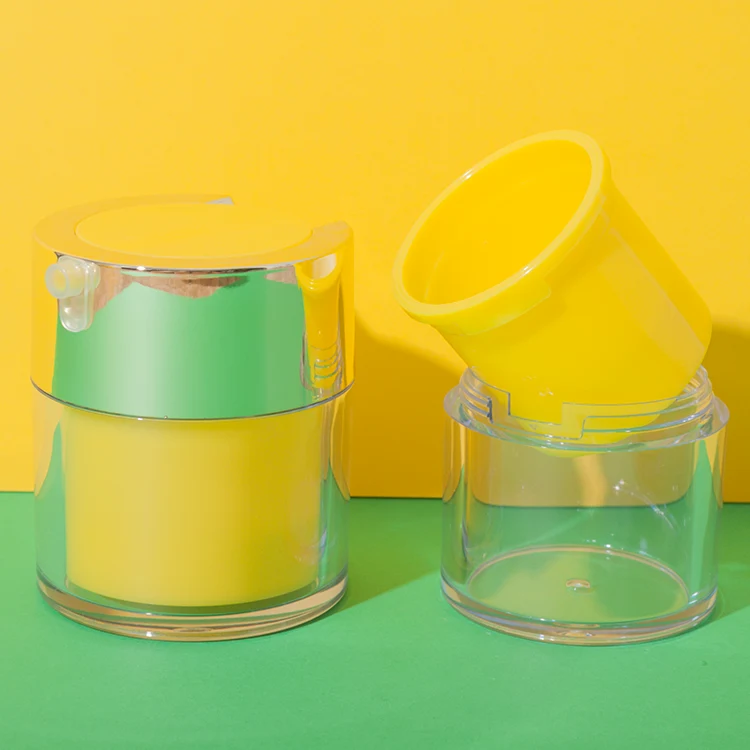
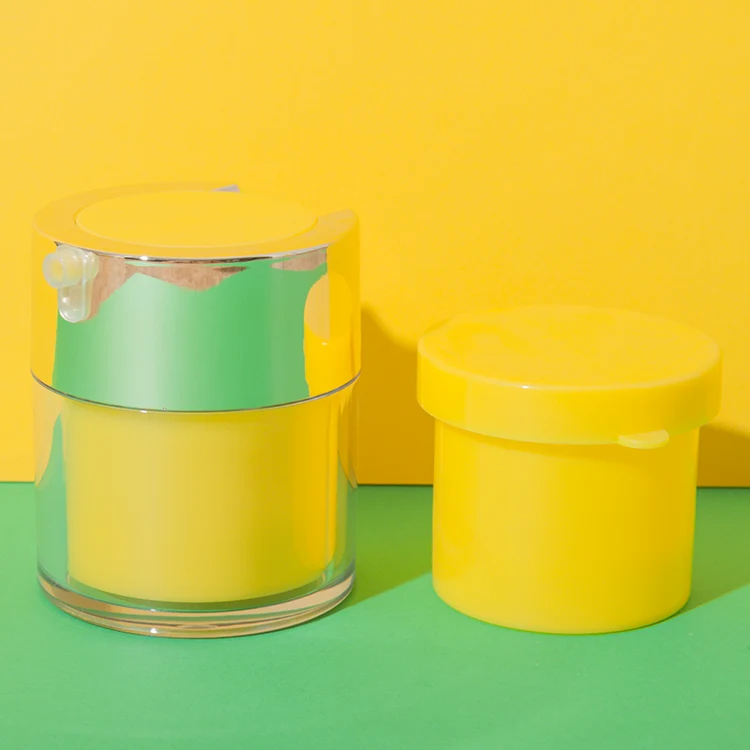
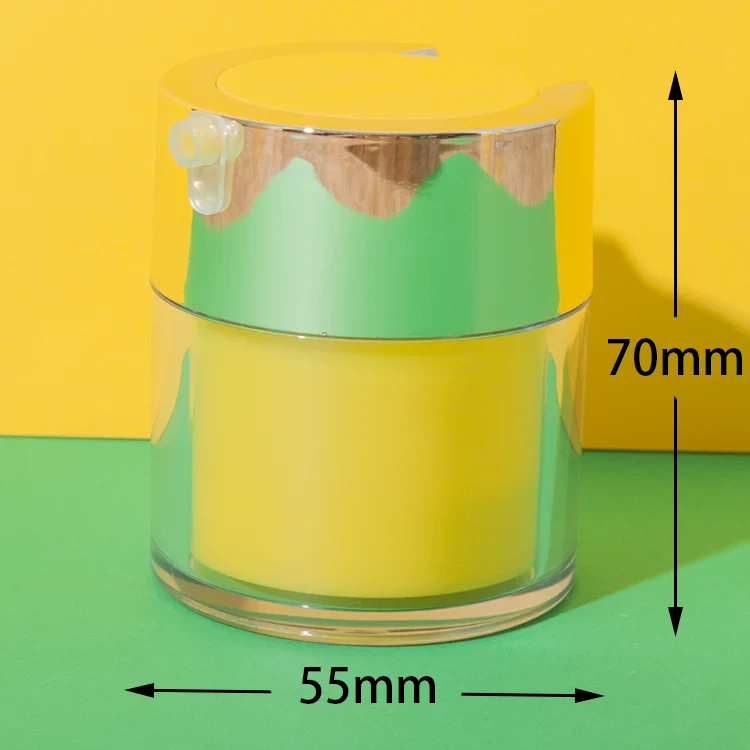
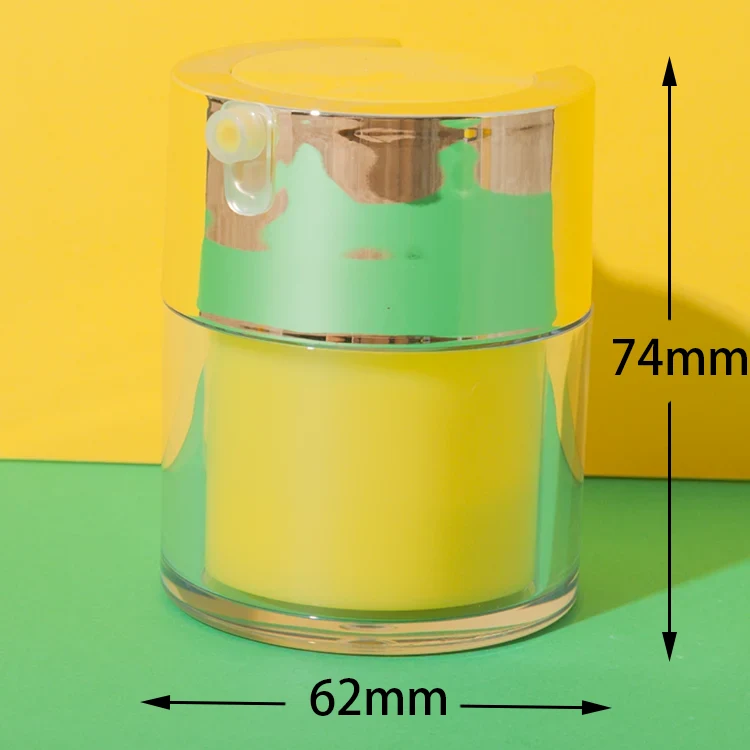
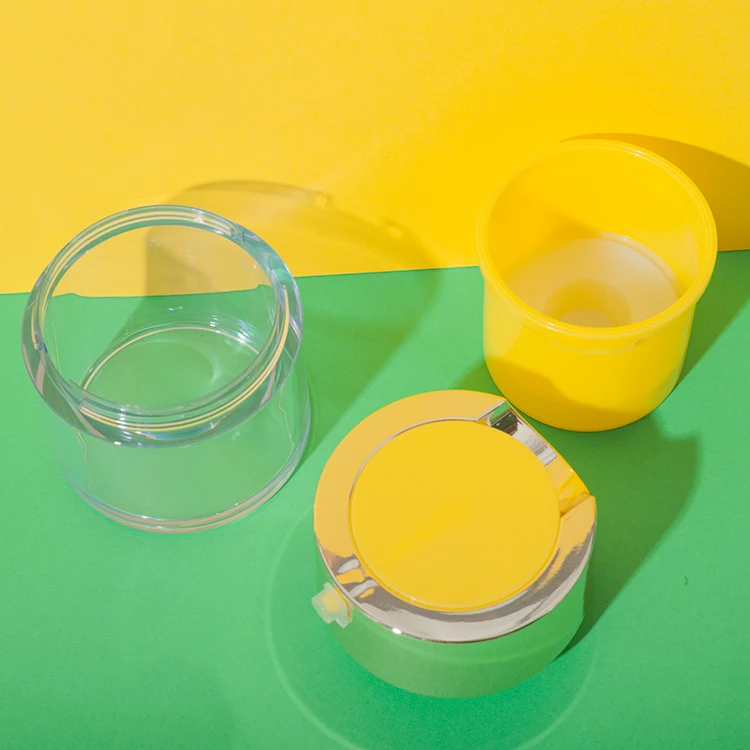
UKPACK’s AS refillable airless jars are designed for skincare creams, moisturizers, treatment products, and refill-led packaging programs. The range includes 30g and 50g formats in AS plastic, with supplied dimensions of 70 mm high by 55 mm wide for 30g and 74 mm high by 62 mm wide for 50g. The two capacities support different product launch sizes. The refillable configuration should be evaluated as a complete system, including the outer jar, inner component, filling method, and user replacement steps. UKPACK supports OEM/ODM development, sample testing, decoration review, compatibility checks, and mass-production planning.
| Specification | Details |
|---|---|
| Capacity | 30g / 50g |
| Material | AS plastic |
| Configuration | Refillable airless jar |
| Height | 30g: 70 mm; 50g: 74 mm |
| Width | 30g: 55 mm; 50g: 62 mm |
| MOQ | 10000pcs |
AS Refillable Airless Jars for Skincare Programs
AS refillable airless jars give skincare teams two compact formats for developing a refill-led product line. The supplied range includes 30g and 50g capacities in AS plastic. The 30g reference measures 70 mm in height and 55 mm in width; the 50g reference measures 74 mm in height and 62 mm in width. These confirmed values provide a starting point for artwork, shelf proportions, secondary packaging, and filling access. Confirm current tolerances and interfaces from the project drawing before approval.
The refillable configuration should be assessed as a system, not just an outer container. Review the relationship between the outer jar, refill component, inner assembly, pump or dispensing parts, closure action, and the user’s replacement steps. The folder confirms the refillable product direction but does not specify the exact refill architecture, pump output, headspace, neck size, or seal values. Ask UKPACK for the applicable drawing and samples before publishing a final technical claim or committing to a filling method.
Refill Workflow and User Experience
Map the complete workflow from filling the inner component to inserting it into the outer jar and replacing it after use. Check orientation, retention, removal force, cleanliness, and the condition of the pack after repeated replacement cycles. If your program includes a take-back or refill service, test how the component is identified, protected, packed, and handled between filling and use.
Run the 30g and 50g formats through the same review sequence, then note any size-specific differences. Inspect priming, dispensing continuity, recovery, leakage, fill accuracy, and the fit of the refill component after transport and temperature simulation. Keep test observations attached to the exact configuration and formula. Do not generalize results from one capacity or refill component to the entire range without evidence.
Formula and Application Fit
These jars can be considered for face creams, moisturizers, night creams, treatment formulas, eye-area products, gel creams, and balms. Those are common application directions for this packaging type, not a compatibility guarantee. Compare viscosity, density, active ingredients, preservative system, target dose, storage range, and filling temperature with the intended refill component and dispensing assembly. A thick treatment cream may require different priming and recovery checks from a lighter daily moisturizer.
Compatibility work should cover the formula’s contact with both the refill component and the outer system. Include checks for odor, staining, swelling, stress cracking, leakage, dispensing continuity, and appearance over the planned shelf-life conditions. If the product uses sensitive actives, oils, acids, or solvents, share that information early so the test plan can be specific. Confirm fill weight, headspace, and the replacement sequence on filled samples before making a production decision.
AS Material and Refill Considerations
AS plastic is the confirmed material for this model. The source files do not confirm PCR content, recycled percentage, mono-material construction, closure material, or an end-of-life route. Refillable packaging can support a reuse concept, but the environmental outcome depends on the refill design, component separation, logistics, and actual customer behavior. Request project-specific evidence before making sustainability claims. Also confirm the color, opacity, surface finish, and decoration options on the selected sample.
Decoration and Refill Branding
Plan the outer-jar artwork around the 70 mm by 55 mm and 74 mm by 62 mm references, then test logo placement, print or label coverage, color matching, and surface finish on both capacities. If the refill carries its own label or identification, align the information hierarchy between the refill and outer pack. Confirm the decoration process, adhesion, and appearance after replacement cycles. Keep optional color and finish proposals separate from confirmed AS construction until the sample and quotation define the final configuration.
Project Evaluation and Production
For a development review, send UKPACK the formula type, target fill for each size, expected viscosity, filling equipment, refill workflow, artwork direction, decoration requirements, and forecast quantity. Ask for drawings, refill samples, compatibility guidance, replacement-cycle checks, and mass-production inspection points. Compare both formats in your filling and pack-out process. To review neighboring models, explore our airless packaging lineup and share the shortlist with procurement, engineering, and sustainability teams. Final production should follow formula validation, refill-system acceptance, decoration approval, and documented QC.