Acrylic Airless Face Cream Jar 15ml 30ml 50ml
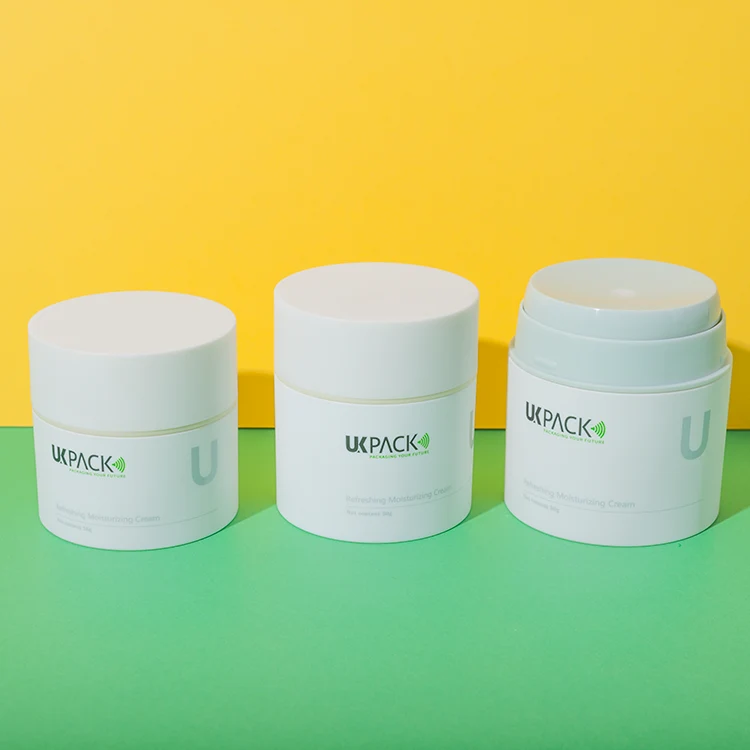
This acrylic airless face cream jar is designed for skincare brands packaging moisturizers, treatment creams and other medium- to high-viscosity facial-care formulas. Available in 15ml, 30ml and 50ml capacities, the range combines a clean cylindrical profile with a controlled airless dispensing structure. The package offers a more premium appearance than a standard PP jar while reducing repeated direct finger contact with the stored formula. Its coordinated size range supports line building across travel, treatment and full-size products. Custom colors, printing, hot stamping and other decoration options can be evaluated for private-label, OEM and branded skincare projects.
| Capacity | Material | OD | Heght |
|---|---|---|---|
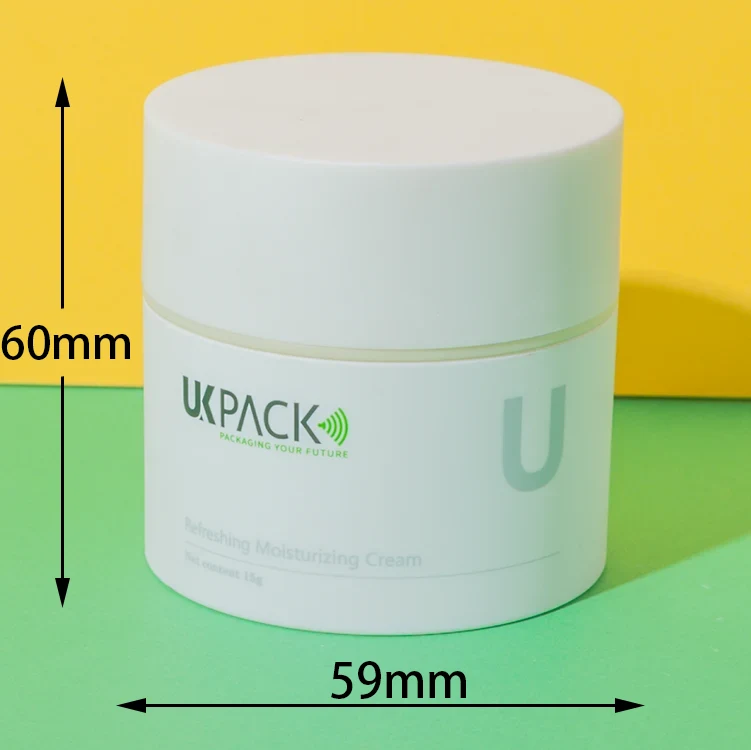
| 15ml | Acrylic | 59mm | 60mm |
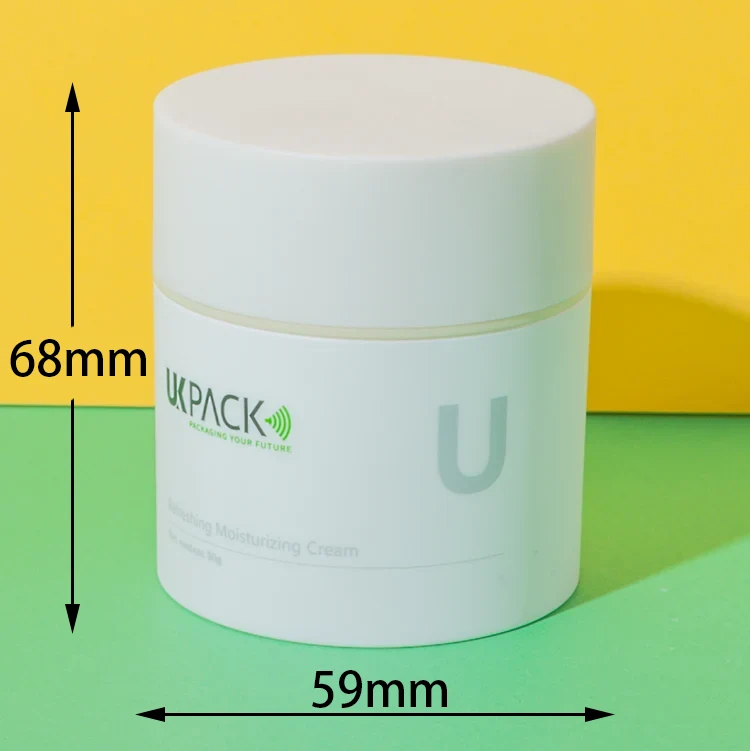
| 30ml | Acrylic | 59mm | 68mm |
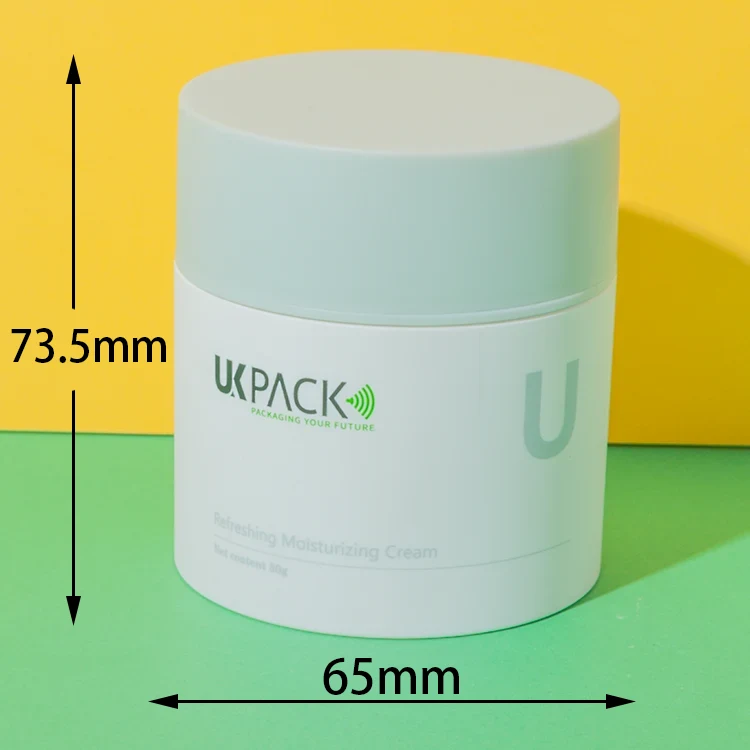
| 50ml | Acrylic | 65mm | 73.5mm |
Product Description
This acrylic airless face cream jar is developed for skincare brands that need a premium-looking jar format for moisturizers, treatment creams and other facial-care formulas. The range is available in 15ml, 30ml and 50ml capacities, allowing brands to build a consistent packaging family across travel sizes, targeted treatments and standard retail products. Its cylindrical silhouette, smooth outer wall and airless dispensing structure make it suitable for brands positioning products above basic commodity packaging but below highly complex custom tooling.
The 15ml version measures 59mm in diameter and 60mm in overall height. This size is suited to eye creams, concentrated repair products, sample programs and travel-format skincare. Although the fill volume is relatively compact, the jar still provides enough visible area for logo placement and product identification, which is useful for premium trial or introductory lines.
The 30ml format uses the same 59mm diameter and increases the height to 68mm. It is appropriate for treatment moisturizers, active creams, intensive repair products and specialty formulas that require more volume than a 15ml package but do not need a full 50ml retail size. Because the 15ml and 30ml versions share the same diameter, they can be merchandised together with a very consistent visual profile.
The 50ml version measures 65mm in diameter and 73.5mm in height. This capacity aligns with common retail sizes for daily moisturizers, night creams, anti-aging creams and leave-on masks. The slightly larger diameter gives the package more shelf presence and more space for artwork while preserving the same overall design language as the smaller sizes.
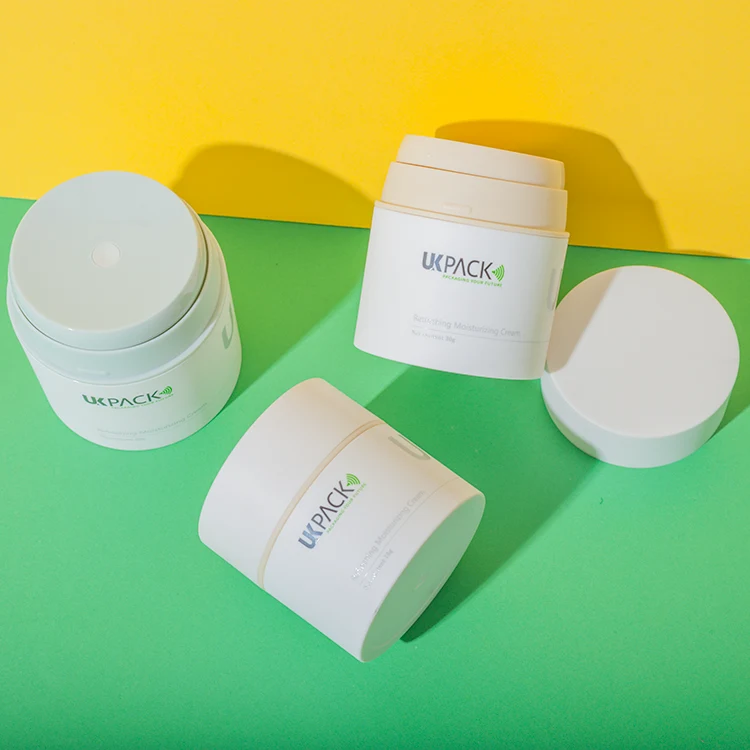
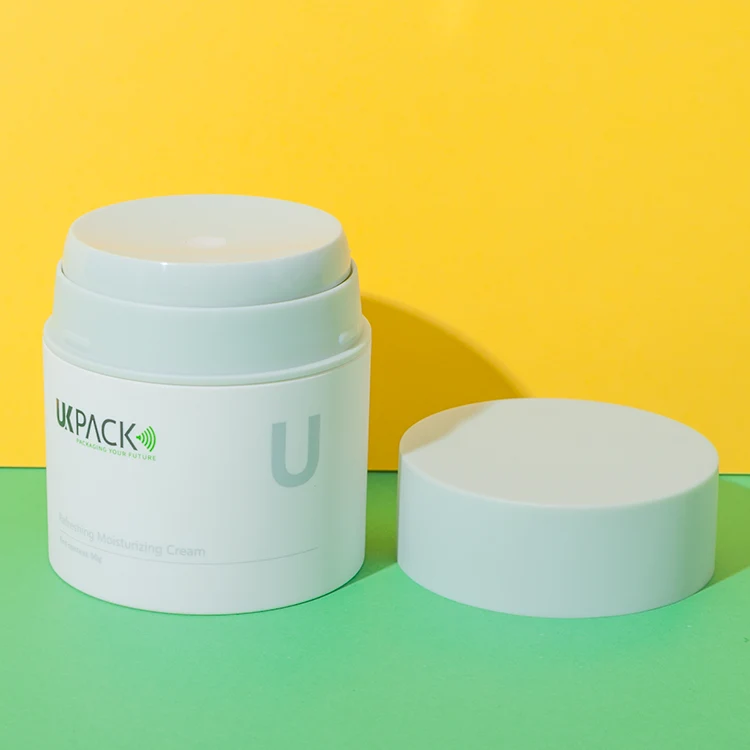
From a structural perspective, this package is intended to deliver the brand image of a cream jar while improving the dispensing experience compared with a conventional open-mouth jar. Rather than encouraging repeated direct contact with the stored formula, the airless-style structure helps control product delivery and supports cleaner use. For skincare brands, this can be relevant both from a user-experience perspective and from a formula-positioning perspective, especially for products marketed around precision, hygiene or daily dosing.
The acrylic outer component gives the package a more refined appearance than a basic single-wall plastic jar. Depending on the final design direction, brands can use opaque, semi-opaque or coordinated color combinations to align with different product segments. Clinical white, soft neutrals, pastel tones or stronger collection colors can all be evaluated according to the intended market position.
Decoration options can be reviewed based on the artwork and required finish. Common options may include screen printing, hot stamping, labeling and selected coating treatments. The relatively clean cylindrical body makes this model suitable for minimalist branding, dermatological-style artwork and coordinated product-series graphics. Where multiple SKUs are involved, brands may also differentiate products through cap color, body color or printed identifiers without changing the base structure.
As with any airless-style cream package, the actual formula should be tested before approval. Viscosity, density, oil phase, active ingredients and filling temperature can all affect dispensing behavior. A lightweight gel cream, a richer moisturizer and a dense balm-like formula may perform differently even within the same package structure. Sampling should therefore confirm output consistency, priming behavior, residual product levels and consumer usability.
Compatibility testing should also review formula interaction with product-contact components, closure fit, leakage resistance, storage stability and transportation performance. If the jar will be filled on an automated or semi-automated line, the contract filler should confirm the correct assembly and filling sequence early in development. This reduces the risk of issues related to trapped air, incorrect component seating or inconsistent output.
For brand owners, private-label companies and contract manufacturers, this model offers a practical balance between presentation, function and development efficiency. It is suitable for facial-care programs that need a recognizable cream-jar profile with upgraded dispensing and a more premium outer presentation. This product can also be positioned within a wider program of airless jars when brands need multiple materials, capacities or structural styles across one skincare range.