Types of Jars: Names, Uses, Materials, Lids, and How to Choose

4278 words|Last Updated: July 28, 2026|By |
Lucas Ji - author
Author: Lucas Ji

Founder of UKPACK, chief packaging engineer and designer with 18 years of experience, and Red Dot Award winner. I work on cosmetic packaging structure, material selection, mold feasibility, decoration processes, and leak-risk control, helping brands turn packaging ideas into reliable production-ready solutions. See my senior packaging engineer qualification.
types of jars - 1
Table of Contents

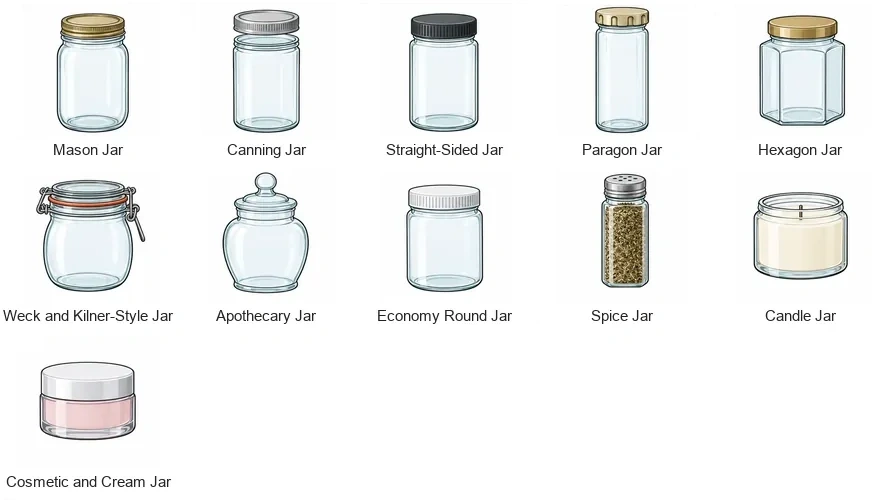
Types of jars include Mason jars, canning jars, straight-sided jars, paragon jars, hexagon jars, Weck and Kilner-style jars, apothecary jars, economy round jars, spice jars, candle jars, and cosmetic jars. Each type is usually chosen for a specific job: preserving food, storing dry goods, displaying candles, holding powders, or packaging creams and balms.

To choose the right jar, match the contents with the material, mouth width, lid, label area, and handling needs. A wide-mouth jar suits thick products. A tall narrow jar suits olives or sauces. A straight-sided jar works well when label space matters.

What Is a Jar?

A jar is a rigid container with a relatively wide opening. That wide mouth is what separates most jars from bottles. Jars are easier to fill, scoop from, spoon into, clean, and label when the product is thick, solid, granular, decorative, or meant to be accessed directly.

In everyday use, jars hold jam, honey, spices, dry goods, candles, creams, balms, masks, bath salts, cotton pads, and samples. In packaging, a jar also affects shelf look, opening feel, closure choice, label space, shipping weight, and how the product is handled after purchase.

Common Types of Jars at a Glance

Use this table to match common jar names with their usual uses, materials, and closures. If two jars sound similar by name, look at the shape and lid: those details often make the difference easier to see.

Jar typeCommon useTypical materialCommon lid or closure
Mason jarPreserves, drinks, pantry storageGlassTwo-piece lid or screw band
Canning jarHome canning and preserved foodsGlassSelf-sealing lid with screw band
Straight-sided jarLabels, candles, creams, dry goodsGlass, PET, PP, PETG, acrylicScrew cap
Paragon jarOlives, sauces, pickled foodsGlass or PETLug lid or screw cap
Hexagon jarHoney, jam, gifts, decorative foodsGlass or plasticScrew cap or lug lid
Weck/Kilner-style jarPreserving, kitchen storage, displayGlassClamp, gasket, or glass lid
Apothecary jarDecor, bath salts, cotton pads, displayGlass, ceramic, acrylicLid or stopper-style top
Economy round jarDry goods, samples, powders, basic packagingGlass or plasticScrew cap
Spice jarSpices, herbs, powders, loose dry productsGlass or PETShaker, sifter, or screw cap
Candle jarWax candles and home fragranceGlass, ceramic, metalLid optional
Cosmetic jarCreams, balms, masks, scrubs, skincare samplesPP, PET, PETG, acrylic, glass, aluminumScrew cap, liner, inner disc, refill system

Main Types of Jars and What They Are Used For

Jar categories overlap. A straight-sided jar can also be a cosmetic jar. A glass jar can also be a Mason jar. For practical selection, look at the name, then check the use case, material, mouth design, and lid.

Mason Jars

mason jars - 111

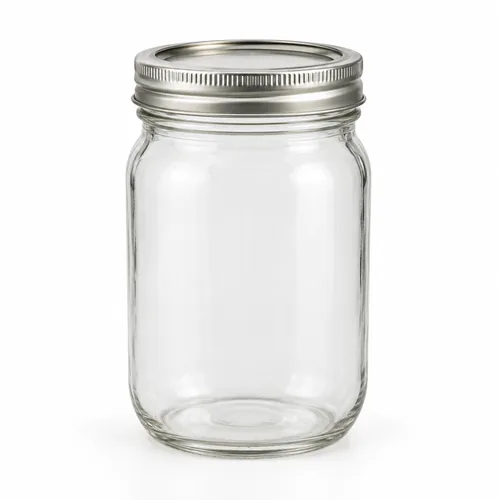
Mason jars are threaded glass jars associated with preserving, pantry storage, drinks, and a familiar home-kitchen look. Many use a two-piece closure: a flat lid and a screw band. In everyday language, people often say “Mason jar” for any similar preserving-style glass jar, even when the jar is not made by a Mason-related brand.

Mason jars are recognizable and easy to source, which is why they appear in kitchens, cafes, craft projects, and gift packaging. For true home canning, the important point is not the look of the jar; it is whether the jar and lid are intended for safe canning.

Canning Jars

canning jars - 111

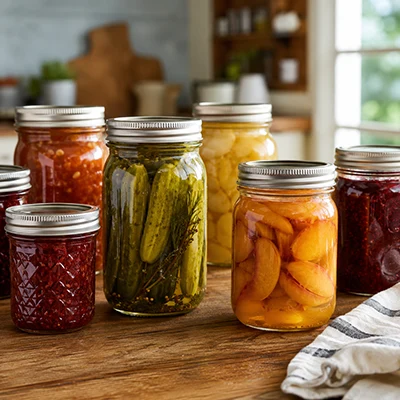
Canning jars are jars used for preserving food through approved home-canning methods. They are often Mason-type threaded glass jars with regular or wide-mouth openings and self-sealing lids.

Do not treat every glass jar as a canning jar. The National Center for Home Food Preservation recommends regular and wide-mouth Mason-type threaded home-canning jars with self-sealing lids for home canning. It also warns that some commercial food jars can lead to more seal failures or breakage, especially in pressure canning.

Straight-Sided Jars

straight-sided jars - 111

Straight-sided jars have vertical walls with little or no shoulder curve. That shape gives the jar a clean label area, so it works well for candles, sauces, dry goods, creams, balms, scrubs, and other products where the front panel matters.

For packaging, this style is often easier to decorate than a heavily rounded jar. A straight wall gives labels, screen printing, hot stamping, and simple product-family graphics more predictable space.

Paragon Jars

paragon jars - 111

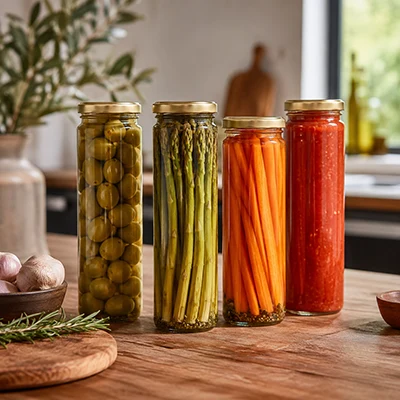
Paragon jars are tall, narrow jars often used for olives, pickled vegetables, sauces, and specialty foods. The slim shape makes sense when the product is long, narrow, or visually attractive through the side of the container.

A paragon jar can look elegant on a shelf, but access is limited. If the contents need to be scooped by hand or spoon, a wide-mouth jar will usually feel better in use.

Hexagon Jars

hexagon jars - 111

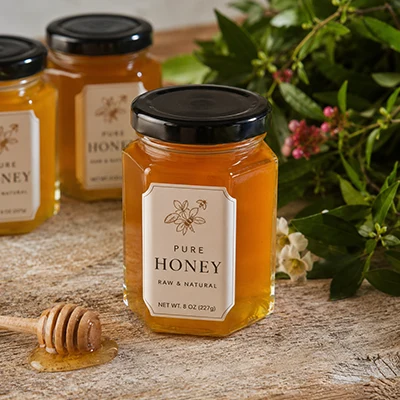
Hexagon jars have six flat sides. They are common for honey, jam, favors, gift sets, decorative foods, and some candles because the shape feels more distinctive than a basic round jar.

A hexagon jar gives the product a stronger shape on the shelf, but the label has to fit one panel instead of wrapping cleanly around a round wall. This can be an advantage for small gift products and a limitation for designs that need a larger label area.

Weck and Kilner-Style Jars

weck and kilner-style jars - 111

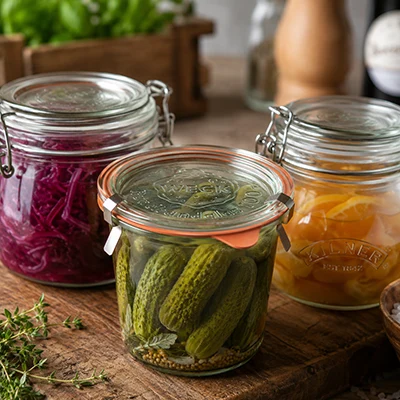
Weck and Kilner-style jars are usually associated with preserving, kitchen storage, and lifestyle display. Depending on the style, they may use glass lids, rubber gaskets, metal clamps, or other recognizable closure systems.

These jars are often chosen for appearance as much as function. They look clean, reusable, and home-oriented. For commercial product packaging, check whether the closure, seal, filling process, and shipping method fit the actual product rather than relying on the visual style alone.

Apothecary Jars

apothecary jars - 111

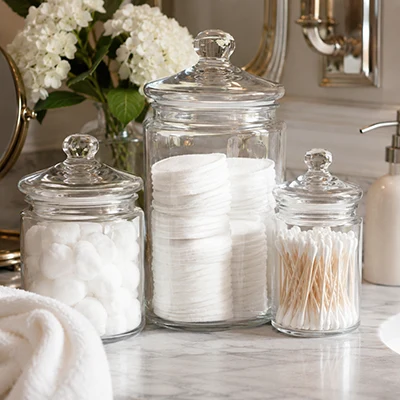
Apothecary jars are decorative jars inspired by pharmacy, laboratory, and vintage storage containers. They often have a wide body and a lid or stopper-style top.

They work well for cotton pads, bath salts, candies, decor, fragrance displays, and retail presentation. They are less reliable as primary packaging for products that must travel, seal tightly, or pass through a production filling line unless the exact jar is designed for that use.

Economy Round Jars

economy round jars - 111

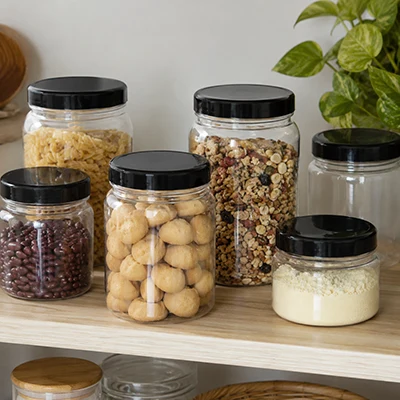
Economy round jars are basic round jars used for dry goods, powders, sauces, samples, and general storage. The shape is simple, familiar, and usually cost-conscious.

This jar type is useful when the container does not need to be the visual hero. A plain round jar can still work well if the cap, label, material, and filling method fit the product.

Spice Jars

spice jars - 111

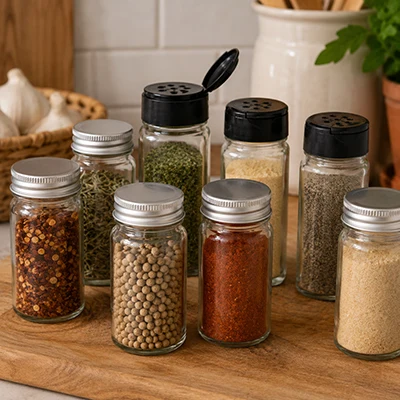
Spice jars are small jars made for herbs, powders, seasonings, and other dry ingredients. They often use shaker caps, sifter inserts, screw caps, or flip-top closures.

With spice jars, the dispensing part often matters more than the jar body. A powder, granule, loose herb, bath soak, or dry cosmetic format may need a shaker or sifter insert before it needs a special jar shape.

Candle Jars

candle jars - 111

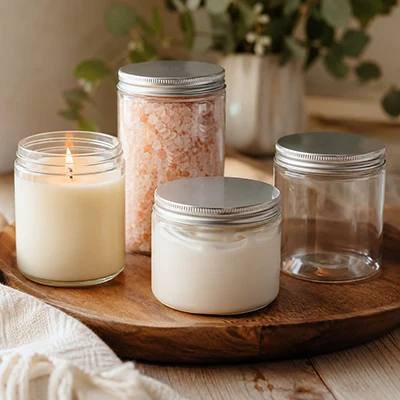
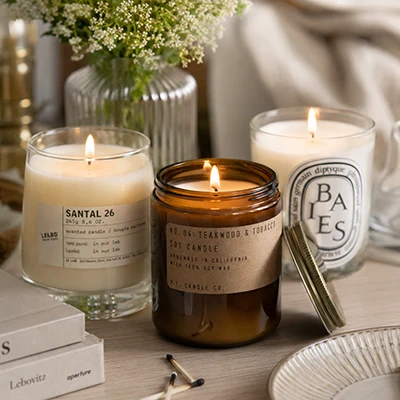
Candle jars hold wax and support the look of a finished candle. They are often made from glass, ceramic, or metal and chosen for wall thickness, color, finish, lid style, and how the finished candle looks in a room.

A candle jar is not automatically suitable for food or cosmetics. Candle packaging has its own product requirements, including wax fill, wick placement, heat context, and display.

Cosmetic and Cream Jars

cosmetic and cream jars - 111

Cosmetic jars are used for products that users scoop, swipe, or access in small amounts. Common examples include face cream, body butter, cleansing balm, hair mask, scrub, clay mask, solid perfume, lip balm, and skincare samples.

For cosmetic packaging, the jar has to match the formula and the user experience. A thick cream usually needs a wide opening. A sample jar may need a lightweight structure. A premium skincare jar may need a thicker wall, stronger cap feel, or more controlled decoration.

In UKPACK packaging projects, PP is often a practical choice for custom-color cream jars, PETG can work well when a brand wants a clear small-capacity sample jar, and acrylic is often used when the goal is a thicker, more polished skincare look. These are starting points, not final rules. The formula, fill weight, decoration method, closure, and sample test should still decide the final jar.

For brands comparing skincare packaging, UKPACK’s cosmetic jars show how cosmetic-use jars differ from general household storage jars.

Jar Types by Material

Material changes how a jar looks, feels, protects the contents, ships, and accepts decoration. For home storage, the material may be mostly about appearance and durability. For commercial packaging, it also affects weight, breakage risk, filling, label performance, and claim language.

Glass Jars

glass jars - 111

Glass jars are common for canning, preserves, sauces, candles, pantry storage, gifts, and some beauty products. Glass gives clarity and weight, which helps when the contents are part of the product’s appeal: honey, jam, spices, bath salts, candles, or a visibly colored formula.

Glass also brings handling and shipping concerns. It can break, add weight, and require more protective packing. For home canning, use jars made for canning rather than decorative glass containers.

Plastic Jars

plastic jars - 111

Plastic jars are common for cosmetics, personal care, samples, dry goods, powders, and lightweight packaging. Common plastic materials include PP, PET, PETG, PS, acrylic, and PCR plastic when recycled-content options are available.

For a clear sample cream, PETG may make sense. For a custom-color cream jar, PP may be easier to develop. Acrylic can create a thicker, more polished look. The same “plastic jar” label can point to very different packaging decisions, so check the exact resin, formula fit, cap, decoration method, and sample result.

Ceramic Jars

ceramic jars - 111

Ceramic jars are often used for candles, home fragrance, decor, specialty food presentation, and gift packaging. They can feel heavy and crafted, which helps when the jar itself is part of the product experience.

Ceramic is less practical when visibility, lightweight shipping, or frequent handling matters. Before using ceramic for a product line, check breakage risk, lid fit, filling method, and how the jar will be packed for delivery.

Metal and Aluminum Jars

metal and aluminum jars - 111

Metal and aluminum jars are used for balms, salves, solid perfume, travel tins, candles, wax products, and some dry goods. They are light, portable, and less fragile than glass.

The product still has to fit the material. Some formulas may need a liner or compatibility review before being packed in metal. Choose metal because it suits the product and user experience, not only because it looks clean in a mockup.

Jar Types by Shape and Mouth Design

Shape changes more than appearance. It affects filling, access, labeling, shelf stability, and how much of the product the user can actually reach.

Wide-Mouth Jars

wide-mouth jars - 111

Wide-mouth jars make it easier to scoop, spoon, pour in, clean, or access thick contents. They are common for canning, jams, dry goods, candles, creams, masks, scrubs, body butter, and bath salts.

Choose a wide mouth when the product needs direct access. If the product is thin, pourable, sprayable, or needs controlled dosing, a bottle, pump, tube, or airless format may work better.

Regular-Mouth Jars

regular-mouth jars - 111

Regular-mouth jars have a smaller opening than wide-mouth jars. They are common for some canning jars, sauces, drinks, and pantry storage.

The smaller opening can help with pouring or storage, but it makes scooping harder. For thick products such as creams, masks, and body butter, mouth width can decide whether the jar feels convenient or frustrating near the end of use.

Straight-Sided Jars

straight-sided jars - 112

Straight-sided jars give a predictable label area. The wall is easier to work with than a jar that has strong shoulders, heavy curves, or many facets.

This shape is useful when a brand wants several sizes to look like one product family. It also helps customers compare products on a shelf or product page because the front panel is clean.

Tall and Narrow Jars

tall and narrow jars - 111

Tall and narrow jars create a slim shelf footprint. They work well for some foods, sauces, olives, powders, and products that are poured or spooned out rather than scooped by hand.

The limitation is access. A tall jar may look elegant, but if the user cannot reach the product easily, the shape gets in the way. For thick contents, check the mouth width before choosing the silhouette.

Square and Hexagonal Jars

square and hexagonal jars - 111

Square and hexagonal jars create stronger visual identity than basic round jars. They can also create flat front panels for small labels.

The corners add planning work. Cap alignment, label wrapping, printing, and filling-line handling may be less simple than with a round jar. For commercial packaging, confirm decoration and closure details before committing to a geometric shape.

Jar Lid and Closure Types

The lid decides how the jar opens, seals, travels, and feels in the user’s hand. A good jar body with the wrong closure can still fail the job.

Two-Piece Mason Lids

two-piece mason lids - 111

Two-piece Mason lids are common on home-canning jars. The system usually includes a flat lid and a separate screw band.

For canning, follow recognized preservation guidance and use jars and lids intended for the process. The NCHFP notes that the common self-sealing lid uses a flat metal lid held by a screw band during processing, then forms a seal as the jar cools.

Screw Caps

screw caps - 111

Screw caps are common across food jars, cosmetic jars, storage jars, and sample jars. They are familiar and easy for most users to understand.

For product packaging, the cap should match the jar thread, opening feel, liner requirement, decoration plan, and shipping conditions. A simple screw cap may work for a dry product, while a cream, balm, or liquid-adjacent formula may need an inner disc, liner, or seal.

Lug or Twist-Off Lids

lug or twist-off lids - 111

Lug lids use interrupted threads and usually open with a short twist. They are common on food jars for sauces, jams, pickles, and preserves.

This closure creates a familiar food-packaging experience. Outside food packaging, it may be less relevant. A cosmetic cream jar, for example, usually fits a screw cap, liner, inner disc, or refill system better than a lug lid.

Clamp, Bail, and Gasket Closures

clamp, bail, and gasket closures - 111

Clamp or bail closures use a wire mechanism and often a gasket. They are common in kitchen storage, preserving-style jars, and decorative glass jars.

They can look attractive, but they add parts. For commercial packaging, those parts raise practical questions: sealing, cleaning, replacement, assembly, shipping, and whether users will find the closure convenient.

Liners, Seals, and Tamper-Evident Features

liners, seals, and tamper-evident features - 111

Some jars use liners, inner discs, pressure-sensitive seals, foil seals, or tamper-evident bands. These components can help with transport, first-opening confidence, leakage control, or product protection.

Add these components when the product actually needs them. A liner or seal should match the contents, closure, filling process, channel, and market expectation.

How to Choose the Right Jar for Your Use

The right jar starts with the contents. A jar for jam, a jar for a candle, and a jar for face cream may look similar at first glance, but they solve different problems.

For Canning and Preserves

Use jars and lids designed for canning, and follow trusted food preservation guidance. Mason-type threaded canning jars are the normal reference point because the jar and lid system is intended for heat processing and sealing.

Avoid random decorative jars for serious canning. Food preservation is safety-sensitive, so jar type, lid condition, recipe, process time, and equipment all matter.

For Pantry Storage and Dry Goods

For pantry storage, visibility and access usually matter most. Glass jars, PET jars, spice jars, and clamp-lid jars can work for tea, coffee, spices, pasta, grains, powders, and snacks.

Match the closure to the contents. A spice may need a shaker top. Coffee may need stronger aroma protection. A display pantry jar may prioritize appearance and easy refilling.

For Jams, Honey, Sauces, and Specialty Foods

Food jars need to balance function and presentation. Hexagon jars can make honey or jam feel more giftable. Paragon jars work well for tall foods such as olives or pickled vegetables. Straight-sided jars give more room for labels.

For commercial food packaging, also check heat processing, acidity, closure, labeling, shelf life, and supplier documentation before choosing a jar style.

For Candles

For candles, the jar is part of the product experience. Buyers usually compare glass, ceramic, and metal jars by look, wall thickness, color, lid style, and how the candle will sit in a room.

Candle jars should be selected for candle use, not borrowed from cosmetics or food by appearance alone. Wax fill, wick placement, heat context, and display all shape the decision.

For Cosmetics and Skincare

For cosmetics, jars work best for products that users scoop or swipe: creams, balms, body butter, masks, scrubs, hair masks, solid perfume, and sample creams. A wide-mouth jar usually suits thick textures better than a narrow bottle.

For skincare packaging, check formula, capacity, material, closure, decoration, and compatibility testing. PP, PET, PETG, acrylic, aluminum, and glass jars can all make sense in different situations. If the formula is air-sensitive or needs controlled dosing, a pump, tube, or airless package may be a better direction than an open jar.

For Samples and Travel Sizes

Small jars are useful for trial kits, travel skincare, salon use, gifts, and promotional products. In this category, access and perceived value matter more than size alone.

A clear jar can show product color. A PP jar can support custom color. A small thick-wall jar can make a sample feel more finished. Match the jar to whether it is a one-time trial, a travel product, or a retail mini size.

Jar Comparison Table: Best Use, Pros, and What to Check

The first table helps identify jar types. This table is for selection: when to use each jar, when to avoid it, and what to check before buying or sampling.

Jar typeUse it whenAvoid it whenWhat to check
Mason jarYou need a familiar preserving or storage lookYou need a purpose-built cosmetic, candle, or decorative-only packageCanning suitability, mouth size, lid type
Canning jarYou are preserving food with approved methodsThe jar is only decorative or not rated for canningJar type, lid condition, process guidance
Straight-sided jarLabel area and clean decoration matterA distinctive faceted shape is more important than label spacePrintable area, cap fit, label curve
Paragon jarThe product is tall, narrow, or visually appealing through the wallUsers need to scoop thick contentsMouth width, stability, closure
Hexagon jarGift value and shelf shape matterYou need a large wraparound labelPanel size, label placement, cap alignment
Weck/Kilner-style jarKitchen display or reusable storage is part of the appealA simple production filling line is the priorityGasket, clamp, cleaning, shipping
Apothecary jarDisplay, decor, or bath product presentation mattersThe product must travel or seal tightlyLid fit, leakage risk, handling
Economy round jarYou need simple, familiar, cost-conscious packagingThe jar must create strong shelf differentiationMaterial, closure, label size
Spice jarThe product is a powder, herb, or granular ingredientThe product is thick, chunky, or scoopableShaker, sifter, cap, fill size
Candle jarThe product is wax or home fragranceYou need food or cosmetic compatibilityHeat context, wall thickness, lid style
Cosmetic jarThe product is a cream, balm, mask, scrub, or sampleThe formula needs controlled dosing or airless protectionFormula fit, liner, decoration, samples

Product Packaging Notes for Brands

For home storage, choosing a jar may be as simple as picking a shape and lid. For a product line, the jar also has to survive filling, labeling, shipping, handling, and repeat purchase.

Start With Stock Jars When Testing

Stock jars are often the practical starting point when the formula, label, or market fit is still being tested. They let a team compare capacity, hand feel, cap style, decoration direction, and shipping behavior before investing in a custom mold.

This applies to cosmetics, candles, dry goods, and sample programs. The goal is not to avoid custom packaging. It is to make early decisions with less risk.

Consider Custom Jars When Shape or User Experience Matters

A custom jar makes more sense when the standard shape does not fit the brand, formula, closure, refill system, or user experience. Custom work can support a distinctive silhouette, special cap mechanism, refill structure, or controlled product-family look.

The added freedom comes with more decisions: tooling, material, MOQ, decoration, sampling, and testing. Custom jars are better suited to projects with a clear product direction and a reason to move beyond stock packaging.

Check Formula, Closure, Decoration, and Samples Before Production

For cosmetic jars, choose the jar only after checking formula texture, access method, material, closure, and decoration plan. A cream jar may need a wide opening and inner disc. A balm may need a different wall thickness or cap feel. A sample jar may need simpler decoration and lighter material.

If you are developing skincare, body care, or sample packaging, UKPACK can help compare cosmetic cream jars, body butter jars, and broader cosmetic packaging products based on formula type, target capacity, material preference, decoration idea, and order plan.

What to Prepare Before Asking a Supplier for Jar Samples

You do not need every specification before talking to a supplier. You do need enough information to avoid random recommendations.

Prepare these details:

  • Product type and contents: food, candle, cosmetic, dry goods, powder, balm, cream, scrub, or sample
  • Target capacity in ml, g, oz, or approximate use size
  • Preferred material: glass, PP, PET, PETG, acrylic, ceramic, aluminum, or another option
  • Shape preference: round, straight-sided, square, hexagon, tall, wide-mouth, regular-mouth, or custom
  • Lid or closure needs: screw cap, lug lid, shaker, clamp, liner, seal, inner disc, or refill component
  • Decoration plan: label, screen printing, hot stamping, color matching, matte finish, frosted finish, or clear wall
  • Sales channel: home use, retail, ecommerce, gift set, salon, spa, hotel, private label, or sampling
  • Any claim that needs review, such as recyclable, refillable, PCR, food contact, or cosmetic labeling language

    Safety, Labeling, and Claim Notes for Product Jars

    Some jar claims are simple descriptions. Others can create trust or compliance problems. Be careful when the claim involves food safety, cosmetics, recycling, environmental benefit, or material performance.

    For home canning, use trusted preservation sources and jar systems designed for canning. For U.S. cosmetic products, labeling should be checked against FDA cosmetic labeling resources, including the FDA Cosmetics Labeling Guide. For environmental claims, avoid broad wording such as “eco-friendly” unless the claim is qualified and supported; the FTC Green Guides are designed to help marketers avoid misleading environmental claims.

    For cosmetic packaging projects, collect the formula type, target capacity, preferred jar style, closure needs, decoration idea, and estimated order quantity before requesting samples. With those details, UKPACK can help compare jar options for creams, balms, masks, scrubs, travel sizes, and sample products. When you are ready to review packaging paths, contact us with your project information.

    Final Takeaway

    The right jar is not simply the one with the most familiar name. It is the jar that fits the contents, the way the user opens it, the closure it needs, the label or decoration plan, and the channel it will move through.

    For general storage, Mason jars, straight-sided jars, hexagon jars, spice jars, and clamp-lid jars may all work. For candles, the jar has to suit wax and display. For cosmetics, the jar should be chosen around formula texture, access, material, cap, decoration, and sample testing. Once you understand the main types of jars, the decision becomes less about memorizing names and more about matching the jar to the job.

    FAQ About Types of Jars

    What are those glass jars called?

    Common glass storage jars may be called Mason jars, canning jars, preserving jars, Weck jars, Kilner-style jars, apothecary jars, spice jars, candle jars, straight-sided jars, or hexagon jars. The exact name depends on the shape, closure, brand style, and intended use.

    What is the difference between a jar and a bottle?

    A jar usually has a wider mouth, which makes it better for scooping, spooning, filling, and accessing thick or solid contents. A bottle usually has a narrower neck and is better for pouring, pumping, spraying, or controlled dispensing.

    What are the different types of glass jars?

    Common glass jar types include Mason jars, canning jars, straight-sided jars, paragon jars, hexagon jars, Weck or Kilner-style jars, apothecary jars, spice jars, candle jars, and food storage jars. The right option depends on whether the jar is for canning, storage, display, candles, gifts, or product packaging.

    Which jar type is best for creams?

    Wide-mouth cosmetic jars are usually best for creams, balms, masks, scrubs, and body butter because users can scoop the product easily. PP, PETG, acrylic, glass, and aluminum can all be used for cosmetic jars, but the final choice should be checked against formula compatibility, capacity, closure, decoration, and samples.

    What type of jar lid gives the best seal?

    There is no single best lid for every jar. Canning jars use food-specific lid systems, food jars may use lug lids, storage jars may use screw caps or clamp lids, and cosmetic jars may use screw caps, liners, inner discs, seals, or refill components. The right seal is the one designed for the product, jar thread, filling process, and use case.

    Are glass jars or plastic jars better?

    Neither is automatically better. Glass jars offer clarity, weight, and a traditional feel, but they can be heavier and more fragile. Plastic jars are lighter and often easier to customize, but the material and formula compatibility still need to be checked. Choose by use case, not by material reputation alone.

    Can I use any glass jar for canning?

    No. For home canning, use jars and lids intended for canning and follow recognized food preservation guidance. Decorative glass jars, candle jars, or storage jars should not be assumed safe for heat processing or pressure canning.

    Thanks for sharing this blog!
    Get In Touch